
Complete Diamond Knowledge

The World of Diamonds

From the deep earth to the laboratory — understand every diamond variety, cut, and grading system.

Varieties

Diamonds by Type

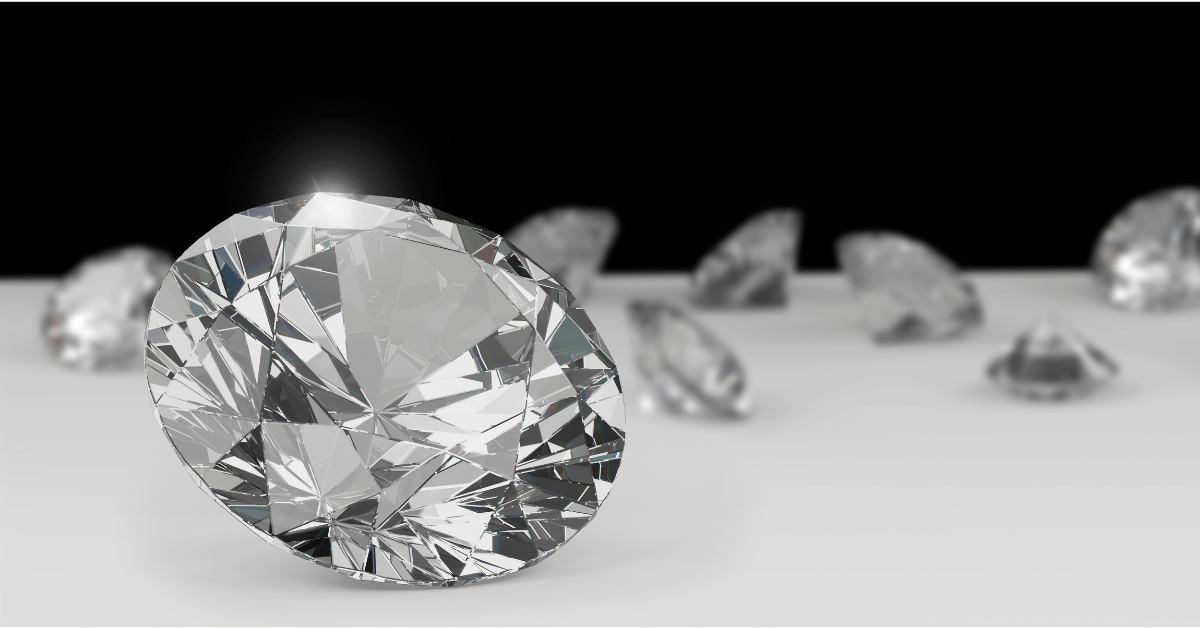
White / Colourless Diamond

The classic choice. Graded D (colourless) through Z (light yellow/brown) by GIA. D–F are considered exceptional colourless, G–J near-colourless. The absence of colour allows maximum light reflection and brilliance. Used in solitaires, engagement rings, and high jewellery.
Fancy Yellow Diamond

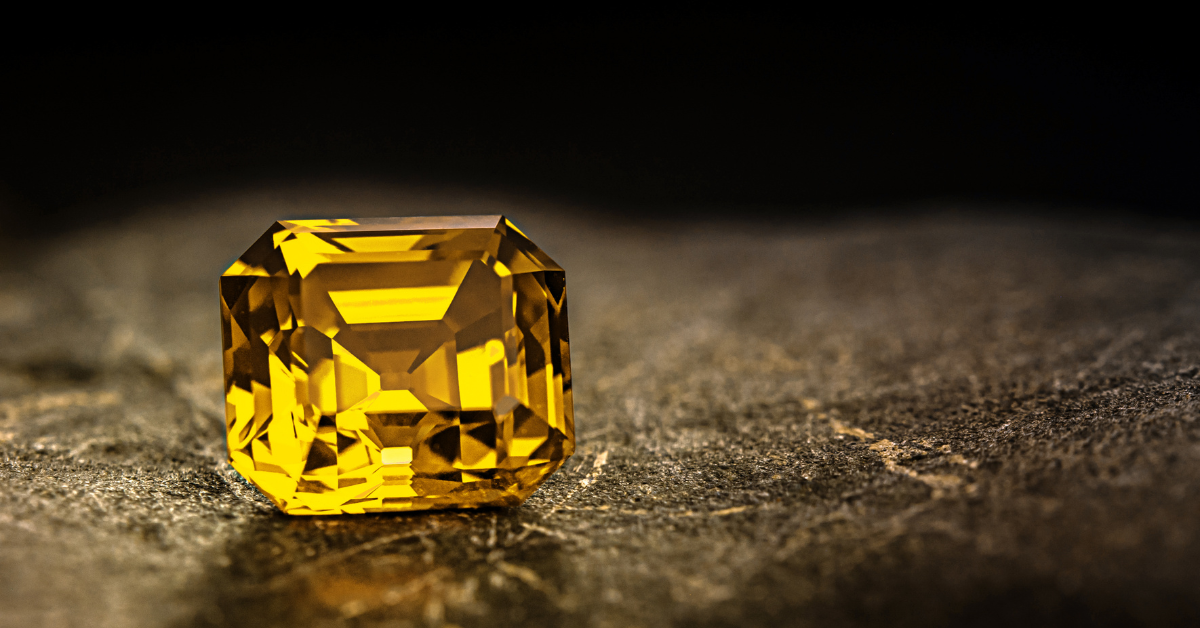
Caused by nitrogen atoms trapped during formation. Ranging from Fancy Light Yellow to Fancy Vivid Yellow, these warm stones are prized for their warmth and rarity. The Tiffany Yellow Diamond (128 carats) is the world's most famous example. Available naturally and in lab-grown form.
Pink Diamond

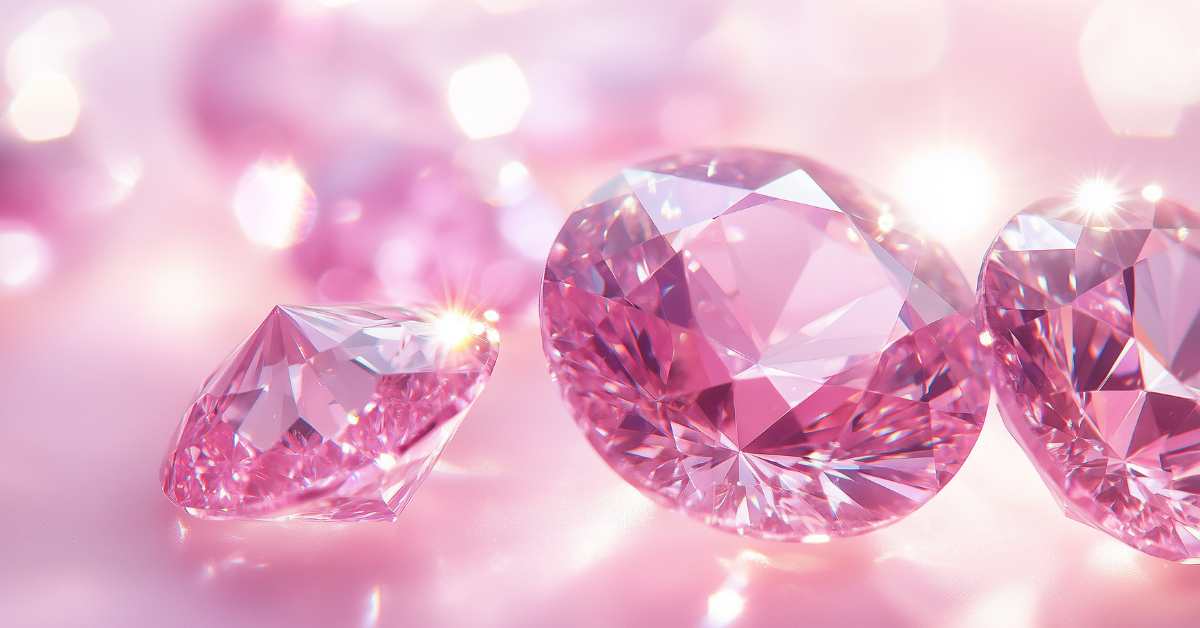
Among the rarest diamonds on earth, pink diamonds get their colour from structural deformations caused by enormous pressure. 90% of the world's pink diamonds came from the now-closed Argyle mine in Australia. Fancy Vivid Pink diamonds can fetch $1–3 million per carat. Lab-grown pinks are now accessible.
Blue Diamond

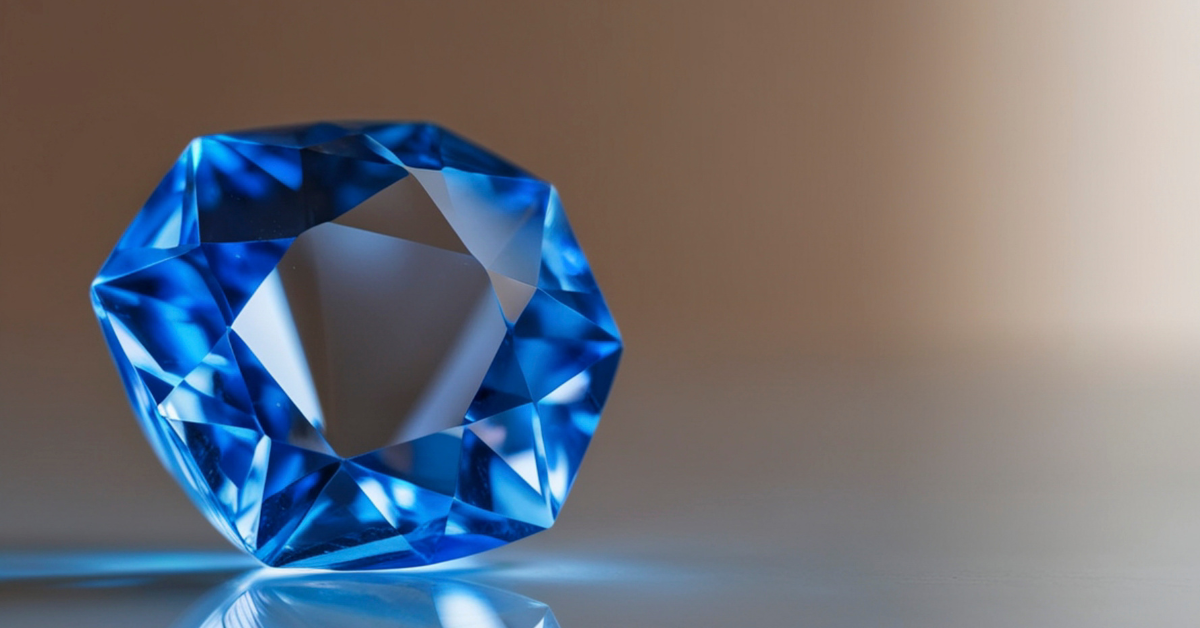
Blue colour results from trace amounts of boron. The Hope Diamond (45.52 ct) is the world's most famous blue diamond. Natural blues are extraordinarily rare and can exceed $3.9 million per carat. Lab-grown blue diamonds are created by introducing boron during the CVD process.
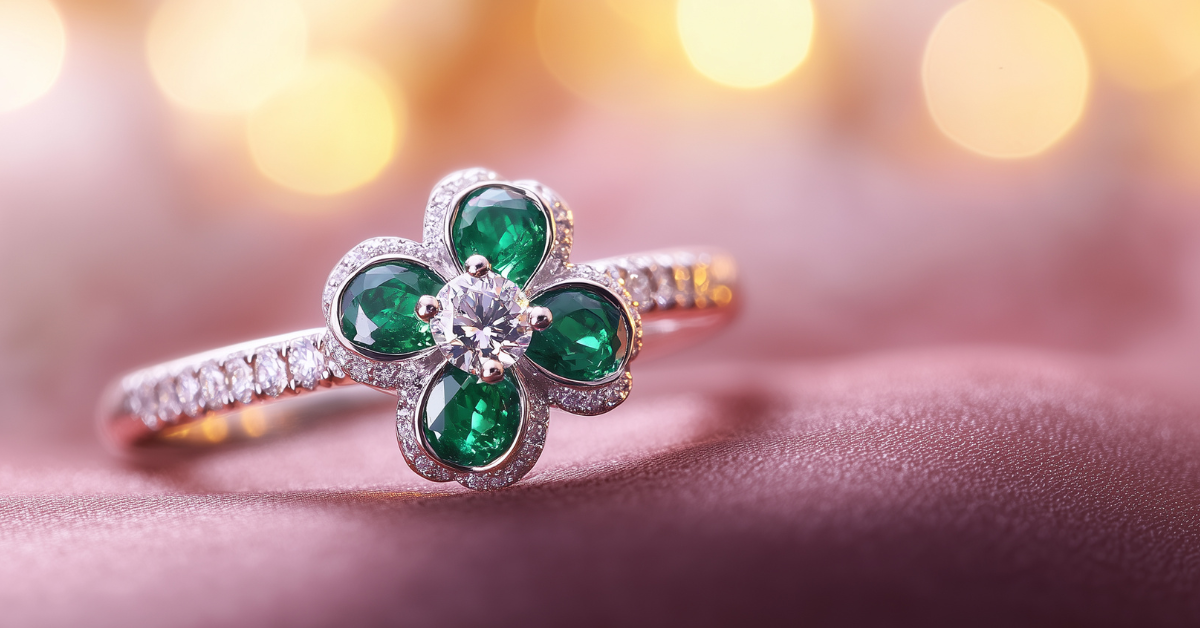
Green Diamond

Formed when natural radiation alters the crystal structure over millions of years. The Dresden Green (41 ct) is the world's largest natural green diamond. True green colour penetrating the entire stone is exceptionally rare — most green diamonds have surface-only colour from natural irradiation.
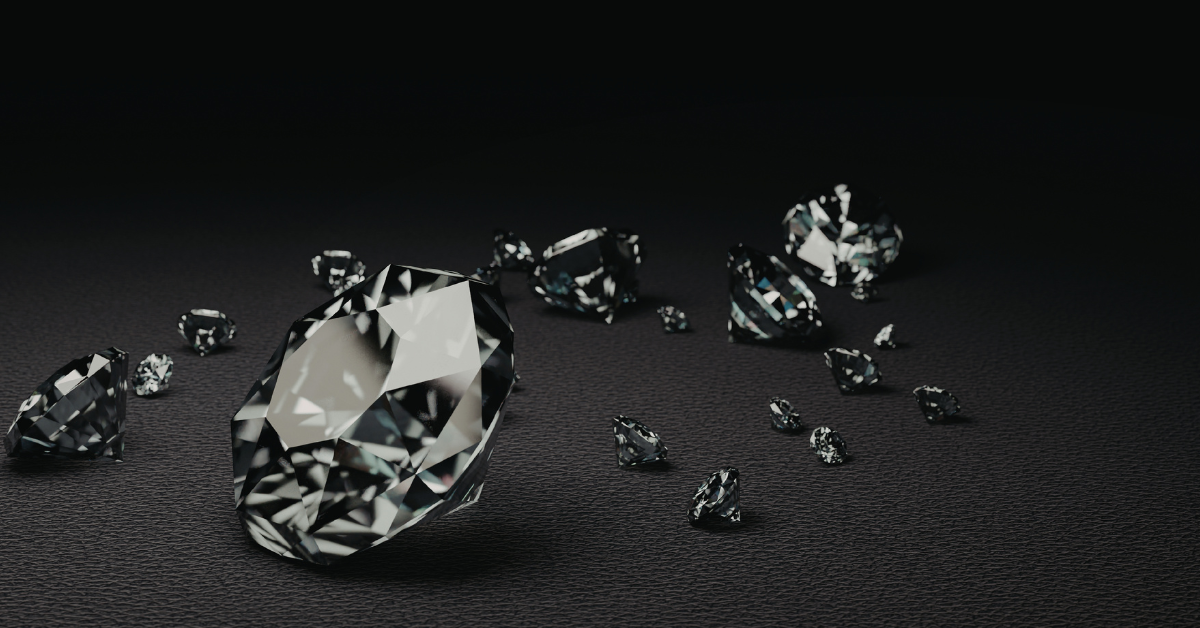
Black Diamond (Carbonado)

The classic choice. Graded D (colourless) through Z (light yellow/brown) by GIA. D–F are considered exceptional colourless, G–J near-colourless. The absence of colour allows maximum light reflection and brilliance. Used in solitaires, engagement rings, and high jewellery.
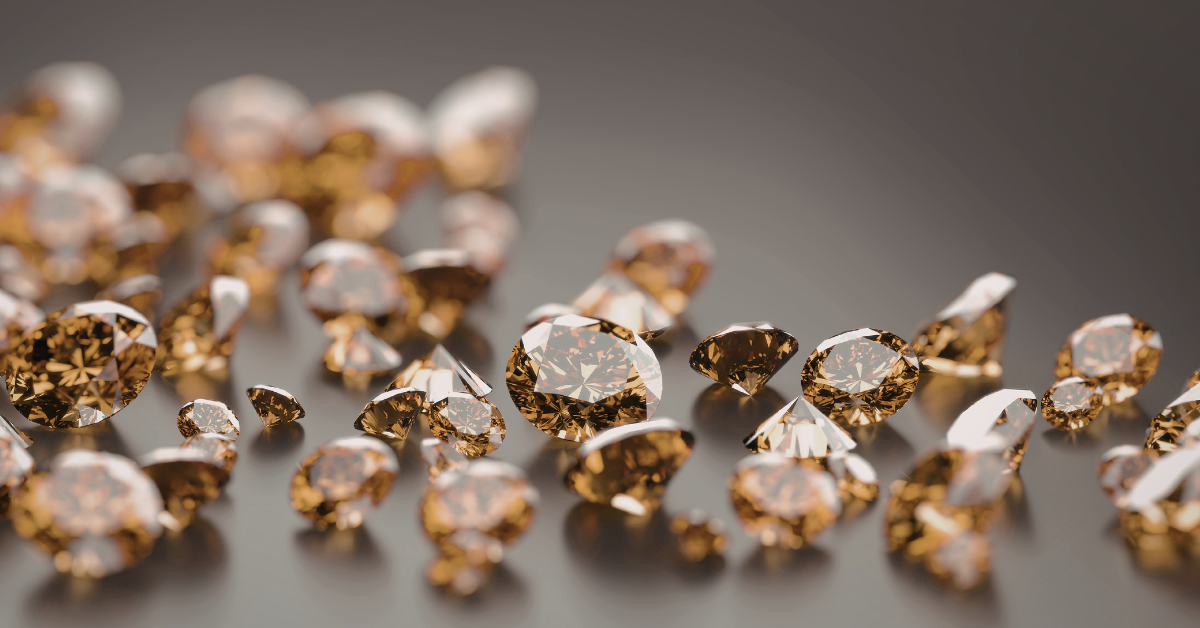
Champagne / Brown Diamond

The most common fancy colour diamond. Brown colour arises from structural irregularities and nitrogen. Marketed as "champagne" or "cognac," they range from light straw to deep cognac. The Le Vian brand popularised "chocolate diamonds" in the 2000s. More affordable than other fancy colours with warm, earthy appeal.
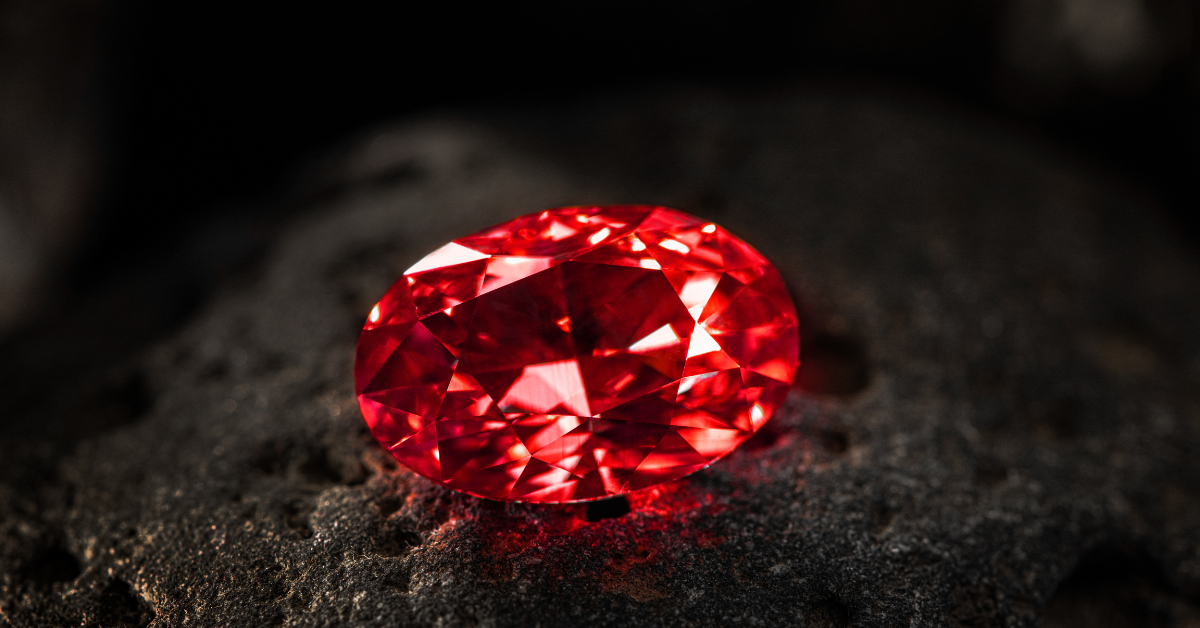
Red Diamond

The rarest diamond colour in existence — fewer than 30 true red diamonds are known worldwide. The Moussaieff Red (5.11 ct) is the world's largest. Red colour is caused by a distortion in the electron structure. No red diamond has ever been produced in a laboratory, making them entirely natural phenomena.

Shapes & Proportions

Diamond Cuts

The cut is the only C that is entirely human-crafted. It determines how light enters and exits a diamond — affecting brilliance, fire, and scintillation.

Round Brilliant

58 facets. Maximum brilliance and fire. Most popular cut worldwide. Ideal for engagement rings. Produces the most sparkle.
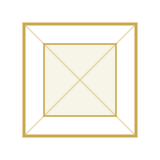
Princess Cut

Square shape with pointed corners. Second most popular. Excellent brilliance. Modern, geometric appeal. Ideal for solitaire rings.

Oval Cut

Elongated shape that creates the illusion of a larger stone. Flattering on fingers. 56–58 facets. Brilliant, elegant appearance.
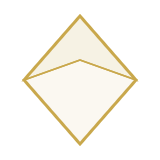
Cushion Cut

Square/rectangular with rounded corners like a pillow. Known for "fire" — dispersion of coloured light. Romantic, vintage aesthetic.

Marquise Cut

Boat-shaped with two pointed ends. Maximises carat weight appearance. Elongates fingers. Dramatic, regal look for rings and pendants.

Pear Cut

Teardrop shape combining round and marquise. Beautiful as a pendant or ring. Creates slimming effect on fingers. 58 facets.

Emerald Cut

Rectangular step-cut with cropped corners. Large open table creates a hall-of-mirrors effect. Showcases clarity. Sophisticated and vintage.
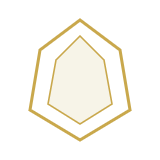
Radiant Cut

Combines emerald cut shape with brilliant-cut facets. 70 facets produce exceptional brilliance. Perfect balance of sparkle and elegance.

Grading System

The 4 C's of Diamonds

The GIA's internationally recognised grading system — Cut, Clarity, Colour, and Carat — provides the universal language for evaluating a diamond's quality and value.

Cut

Often considered the most important of the 4Cs. The cut determines how well a diamond interacts with light — its brilliance (white light return), fire (dispersion into spectral colours), and scintillation (pattern of light and dark areas). GIA grades cuts from Excellent to Poor. An Ideal/Excellent cut will make a lower-clarity or lower-colour diamond appear more beautiful.

Colour

The GIA colour scale for white diamonds runs from D (perfectly colourless) to Z (light yellow or brown). Colourless diamonds (D–F) are rarest and most valuable. Near-colourless (G–J) offer excellent value. Yellow tones in lower grades (K–Z) are visible to the naked eye. For fancy colour diamonds, the opposite applies — more intense colour equals higher value.

Clarity

Refers to the absence of inclusions (internal) and blemishes (external). Clarity is graded under 10x magnification. FL (Flawless) diamonds are extraordinarily rare. VS1–VS2 (Very Slightly Included) have inclusions not visible to the naked eye. SI1–SI2 diamonds offer the best value for eye-clean stones. I1–I3 have visible inclusions that may affect durability.

Carat

Carat measures a diamond's weight — 1 carat equals 200 milligrams (0.2 grams). Larger diamonds are rarer and exponentially more expensive per carat. A 2-carat diamond costs roughly 4x more than a 1-carat of equal quality, not 2x. The size perception also depends on the cut — a well-cut 0.9ct can appear larger than a poorly cut 1.0ct. Lab-grown diamonds are available in identical carat weights at dramatically lower prices.

CVD & HPHT vs Mined

Lab-Grown vs Natural

Lab-grown diamonds (LGD) often referred to as CBD (Created/Cultured By Design) diamonds are real diamonds in every scientific sense. Here is an honest, comprehensive comparison.

Feature 💎 Lab-Grown (CVD/HPHT) ⛏️ Natural Mined
Chemical Composition Pure Carbon (C) Pure Carbon (C)
Crystal Structure Cubic — identical to natural Cubic
Hardness (Mohs) 10 — same as natural 10 — hardest natural substance
Refractive Index 2.417 — identical 2.417
Price per Carat ✓ 60–80% less Higher — geological rarity premium
Environmental Impact ✓ Significantly lower Land disruption, high energy
Resale Value Lower (rapidly depreciating) ✓ More stable historically
Certifiable by GIA/IGI ✓ Yes — IGI preferred ✓ Yes — GIA preferred
Detectability Only by specialist equipment Identical appearance
Fancy Colours Available ✓ Yellow, Blue, Pink, Green All colours (extremely rare/costly)
Conflict-Free Guarantee ✓ Always Kimberley Process required
Unique / One-of-a-Kind Mass producible ✓ Each stone is unique
Investment Potential Moderate ✓ Higher for rare stones
Formation Time 6–10 weeks 1–3 billion years

Refers to the absence of inclusions (internal) and blemishes (external). Clarity is graded under 10x magnification. FL (Flawless) diamonds are extraordinarily rare. VS1–VS2 (Very Slightly Included) have inclusions not visible to the naked eye. SI1–SI2 diamonds offer the best value for eye-clean stones. I1–I3 have visible inclusions that may affect durability.