When shopping for a diamond, one of the biggest decisions buyers face today is choosing between a natural mined diamond and a lab-grown diamond.
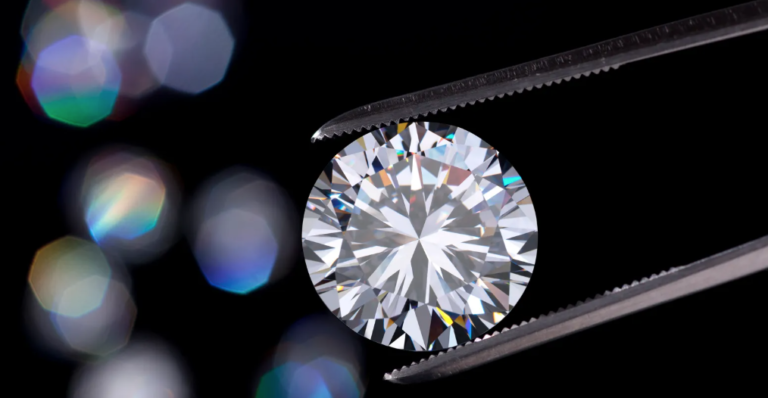
At first glance, they look identical. Both sparkle beautifully, both are made of pure carbon, and both can be certified by leading gemological institutes.
So what’s the real difference?
The answer comes down to origin, price, rarity, environmental impact, and long-term value.
In this guide, we break down the differences between natural and lab-grown diamonds so you can make a confident buying decision.
What Is a Natural Diamond?
A natural diamond is formed deep beneath the Earth’s surface over billions of years.
These diamonds are created when carbon atoms are exposed to:
- Extreme heat
- Intense pressure
- Geological activity over millions to billions of years
Over time, volcanic eruptions bring diamonds closer to the Earth’s surface, where they are eventually mined.
Because of this long and rare formation process, natural diamonds are often associated with:
- rarity
- heritage
- symbolism
- long-term collectibility
For many buyers, the story behind a natural diamond is part of its appeal.
What Is a Lab-Grown Diamond?
A lab-grown diamond is a real diamond created in a controlled laboratory using advanced technology.
Instead of forming underground, scientists replicate the natural diamond-growing conditions in a matter of weeks.
Lab diamonds are produced using two main methods:
1. CVD (Chemical Vapor Deposition)
A diamond seed is placed in a chamber with carbon-rich gases.
The gases are heated, allowing carbon atoms to deposit layer by layer onto the seed, growing a diamond crystal.
2. HPHT (High Pressure High Temperature)
This process recreates the heat and pressure conditions found deep inside the Earth.
Carbon crystallizes around a seed to form a diamond.
The result is a diamond with the same:
- chemical composition
- hardness
- brilliance
- durability
- optical properties
as a natural diamond.
Lab-grown diamonds are not simulants like cubic zirconia or moissanite.
They are real diamonds.
Natural vs Lab-Grown Diamonds: Side-by-Side Comparison
| Feature | Natural Diamonds | Lab-Grown Diamonds |
|---|---|---|
| Composition | Pure Carbon | Pure Carbon |
| Hardness | 10 Mohs | 10 Mohs |
| Sparkle | Same | Same |
| Durability | Same | Same |
| Certification | GIA / IGI | GIA / IGI |
| Origin | Earth mined | Laboratory created |
| Formation Time | Billions of years | Weeks |
| Price | Higher | 60–90% lower |
| Rarity | Naturally scarce | More scalable |
| Resale Value | Better | Lower |
| Environmental Impact | Higher mining impact | Generally lower |
From a physical perspective, they are essentially identical.
The meaningful differences lie beyond appearance.
Price Difference: Why Lab-Grown Diamonds Cost Less
One of the biggest reasons buyers choose lab-grown diamonds is price.
A lab-grown diamond can cost 60% to 90% less than a comparable natural diamond.
For example:
- 1 carat natural diamond: significantly higher price
- 1 carat lab-grown diamond: far more affordable with similar visual quality
This means buyers can often afford:
- larger carat size
- better color grade
- higher clarity
- better cut quality
within the same budget.
Why are lab diamonds cheaper?
Lab-grown diamonds cost less because:
- no mining operations are required
- production is faster
- supply is scalable
- fewer logistical costs exist
Natural diamonds involve:
- mining infrastructure
- labor
- transportation
- sorting and distribution
These costs are reflected in the final price.
Appearance: Can You Tell the Difference?
No — not with the naked eye.
A natural and lab-grown diamond of the same specifications will look identical to most people.
Even trained jewelers typically need specialized equipment to determine origin.
Both diamonds have:
- the same sparkle
- the same fire
- the same brilliance
Both will also pass standard diamond testers.
This is because testers identify material properties, not origin.
Ethical and Environmental Considerations
For many buyers, ethics are a deciding factor.
Natural Diamonds
Natural diamond mining can involve concerns such as:
- land disruption
- water usage
- carbon emissions
- supply chain transparency issues
The industry has improved significantly in traceability and responsible sourcing, but concerns still exist.
Lab-Grown Diamonds
Lab-grown diamonds are generally marketed as a more ethical alternative.
Benefits often include:
- no mining
- conflict-free sourcing
- reduced environmental disturbance
However, lab diamonds are not automatically “green.”
Production requires significant electricity, and sustainability depends heavily on the energy source used.
A lab diamond created using renewable energy has a lower footprint than one produced using fossil fuels.
Rarity and Emotional Value
This is where buying becomes personal.
Why buyers choose natural diamonds
Many buyers value natural diamonds because they are:
- rare
- billions of years old
- naturally formed
There is emotional appeal in owning something created by nature over geological time.
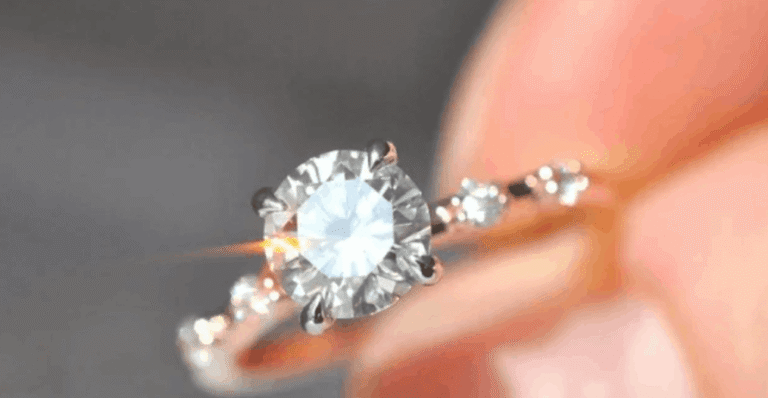
Some also view natural diamonds as more traditional for engagement rings and heirloom jewelry.
Why buyers choose lab-grown diamonds
Lab diamond buyers often prioritize:
- value
- size
- ethics
- modern purchasing logic
They ask:
“Why pay significantly more for something visually identical?”
For many modern consumers, the answer is simple: they would rather maximize beauty and quality within budget.
Resale Value and Long-Term Worth
Natural diamonds generally hold value better than lab-grown diamonds.
This is because natural diamonds have:
- perceived scarcity
- historical market demand
- limited natural supply
Lab-grown diamonds typically have lower resale value because:
- production continues to increase
- prices have declined over time
- supply is more scalable
This doesn’t mean lab diamonds are a bad purchase.
It simply means diamonds should generally be viewed as:
- emotional purchases
- luxury goods
- symbols of commitment
rather than financial investments.
Which Diamond Should You Buy?
The right choice depends entirely on your priorities.
Choose a Natural Diamond If You Want:
✅ Natural rarity
✅ Traditional symbolism
✅ Better resale potential
✅ Geological history and origin story
A natural diamond may appeal more if emotional significance and long-term rarity matter to you.
Choose a Lab-Grown Diamond If You Want:
✅ Better value for money
✅ Larger diamond for same budget
✅ Higher quality specs at lower cost
✅ Ethical alternative to mining
A lab-grown diamond is often the smarter financial choice for buyers focused on practicality and beauty.
Final Verdict: Natural or Lab-Grown?
There is no universally “better” option.
Both are real diamonds.
Both offer the same beauty, durability, and brilliance.
The real difference comes down to what matters most to you.
Choose natural diamonds if you value rarity, tradition, and geological history.
Choose lab-grown diamonds if you prioritize affordability, ethics, and maximizing value.
At the end of the day, the best diamond is the one that fits your budget, values, and personal meaning.