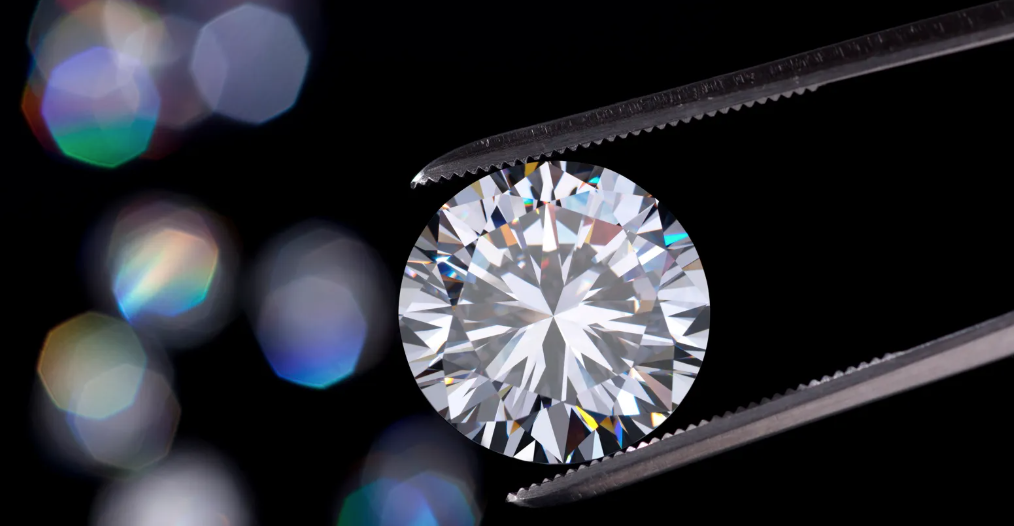
Lab-grown diamonds are transforming the jewelry industry by offering consumers a smarter, more ethical, and more affordable alternative to mined diamonds.
But what exactly are they? Are they real diamonds? How are they made? And most importantly — should you buy one?
In this complete guide, we explain everything you need to know about lab-grown diamonds before making your purchase.
What Is a Lab-Grown Diamond?
A lab-grown diamond is a real diamond created in a controlled laboratory environment rather than mined from the earth.
It has the same chemical composition, crystal structure, hardness, brilliance, and fire as a natural mined diamond.
Both natural and lab-grown diamonds are made of:
- Pure carbon (C)
- Cubic crystal structure
- Mohs hardness of 10
- Refractive index of 2.417
This means lab-grown diamonds are not “fake” or “diamond alternatives.”
They are real diamonds.
The only difference is their origin:
- Natural diamonds form underground over 1–3 billion years under extreme heat and pressure.
- Lab-grown diamonds are created in weeks using advanced technology that replicates these conditions.
Are Lab-Grown Diamonds Real?
Yes 100%.
Lab grown diamonds are real diamonds certified by major gemological institutes including:
- IGI (International Gemological Institute)
- GIA (Gemological Institute of America)
A certified lab diamond is graded using the same standards as natural diamonds:
- Carat
- Cut
- Color
- Clarity
Even trained gemologists usually cannot distinguish a lab-grown diamond from a mined diamond without specialized equipment.
How Are Lab-Grown Diamonds Made?
Lab diamonds are created using two primary methods.
1. CVD (Chemical Vapor Deposition)
CVD diamonds are created by placing a thin diamond seed inside a chamber filled with carbon-rich gases.
The chamber is heated until gases break apart and carbon atoms bond layer by layer onto the seed.
This gradually forms a diamond crystal.
Benefits of CVD:
- Excellent purity
- Better control over growth
- Popular for high-quality jewelry diamonds
2. HPHT (High Pressure High Temperature)
HPHT replicates the natural geological process of diamond formation.
A diamond seed is exposed to:
- Extremely high pressure
- Extremely high temperature
Carbon melts around the seed and crystallizes into diamond.
Benefits of HPHT:
- Faster production
- Often used for color enhancement
- Suitable for larger stones
Lab-Grown vs Natural Diamonds
| Feature | Lab-Grown Diamonds | Natural Diamonds |
|---|---|---|
| Composition | Pure Carbon | Pure Carbon |
| Hardness | 10 Mohs | 10 Mohs |
| Sparkle | Same | Same |
| Durability | Same | Same |
| Origin | Laboratory | Earth mined |
| Formation Time | Weeks | Billions of years |
| Price | 60–90% less | Higher |
| Environmental Impact | Lower | Higher |
| Ethical Concerns | Minimal | Potential concerns |
Why Are Lab-Grown Diamonds Cheaper?
Lab grown diamonds cost significantly less because:
1. Supply Is Controlled
Mining is expensive, slow, and resource intensive.
Lab production is scalable.
2. No Mining Costs
Mined diamonds involve:
- excavation
- transportation
- labor
- sorting
- distribution networks
Lab diamonds eliminate much of this overhead.
3. More Competitive Market
Lab grown diamonds are part of a newer, faster-moving market with more price transparency.
Consumers benefit from better value.
Why Are Lab-Grown Diamonds Cheaper?
Lab-grown diamonds cost significantly less because:
1. Supply Is Controlled
Mining is expensive, slow, and resource intensive.
Lab production is scalable.
2. No Mining Costs
Mined diamonds involve:
- excavation
- transportation
- labor
- sorting
- distribution networks
Lab diamonds eliminate much of this overhead.
3. More Competitive Market
Lab-grown diamonds are part of a newer, faster-moving market with more price transparency.
Consumers benefit from better value.
Are Lab Diamonds Ethical?
Lab-grown diamonds are generally considered a more ethical option because they avoid many concerns associated with traditional diamond mining.
Benefits include:
- Conflict-free sourcing
- Reduced land disruption
- Lower water usage
- Lower mining impact
However, sustainability depends on the energy source used during production.
Not all lab diamonds are equally eco-friendly.
Buyers should choose reputable suppliers with transparent sourcing practices.
Do Lab-Grown Diamonds Last Forever?
Yes.
Because lab diamonds are real diamonds:
- they do not fade
- they do not cloud
- they do not lose sparkle
They can last indefinitely with proper care.
A lab-grown diamond engagement ring can be worn daily for a lifetime.
Do Lab Diamonds Hold Value?
This is where nuance matters.
Lab-grown diamonds are excellent for:
- beauty
- affordability
- size value
- ethical buying
But they typically have lower resale value than natural diamonds.
Why?
- Production is increasing
- Prices continue to become more accessible
- Scarcity is lower than mined stones
If your priority is emotional value, beauty, and budget efficiency, this may not matter.
If your priority is long-term rarity or collectability, natural diamonds may appeal more.
Diamonds should generally be purchased as luxury goods, not investments.
Pros and Cons of Lab-Grown Diamonds
Pros
✅ Real diamonds
✅ Lower cost
✅ Larger carat for same budget
✅ Ethical sourcing
✅ Conflict-free
✅ Visually identical to natural diamonds
Cons
❌ Lower resale value
❌ Less “natural rarity” appeal for some buyers
❌ Market prices continue to decline
Who Should Buy a Lab-Grown Diamond?
Lab-grown diamonds are ideal for buyers who want:
Maximum size for budget
Get a larger or higher-quality stone for less.
Ethical peace of mind
Avoid mining-related concerns.
Modern luxury
Choose beauty and performance over traditional scarcity.
Engagement rings or custom jewelry
Excellent for rings, earrings, pendants, and bridal jewelry.
How to Buy a Lab-Grown Diamond
Before purchasing, evaluate the same 4Cs as natural diamonds:
Cut
Most important for sparkle.
Prioritize:
- Excellent
- Ideal
Color
Popular ranges:
- D–F: colorless
- G–H: near colorless
Clarity
Good balance:
- VS1
- VS2
- SI1
Carat
Choose based on budget and setting.
Lab diamonds allow buyers to go bigger without sacrificing quality.
Always Buy Certified
Only purchase diamonds with grading certificates from reputable labs such as:
- IGI
- GIA
Certification ensures authenticity and grading accuracy.
Final Verdict: Should You Buy a Lab-Grown Diamond?
If you want a real diamond with exceptional beauty, better value, and fewer ethical concerns, lab-grown diamonds are an outstanding choice.
You get:
- the same sparkle
- the same durability
- the same luxury experience
At a significantly better price.
For modern buyers, lab-grown diamonds are no longer an alternative.
They are simply a smarter way to buy diamonds.
Frequently Asked Questions
Are lab-grown diamonds fake?
No. They are real diamonds.
Can a jeweler tell the difference?
Not usually without specialized equipment.
Are lab diamonds worth buying?
Yes, especially for value-conscious buyers.
Do lab diamonds test positive on diamond testers?
Yes.
Can lab diamonds be insured?
Yes, just like natural diamonds.